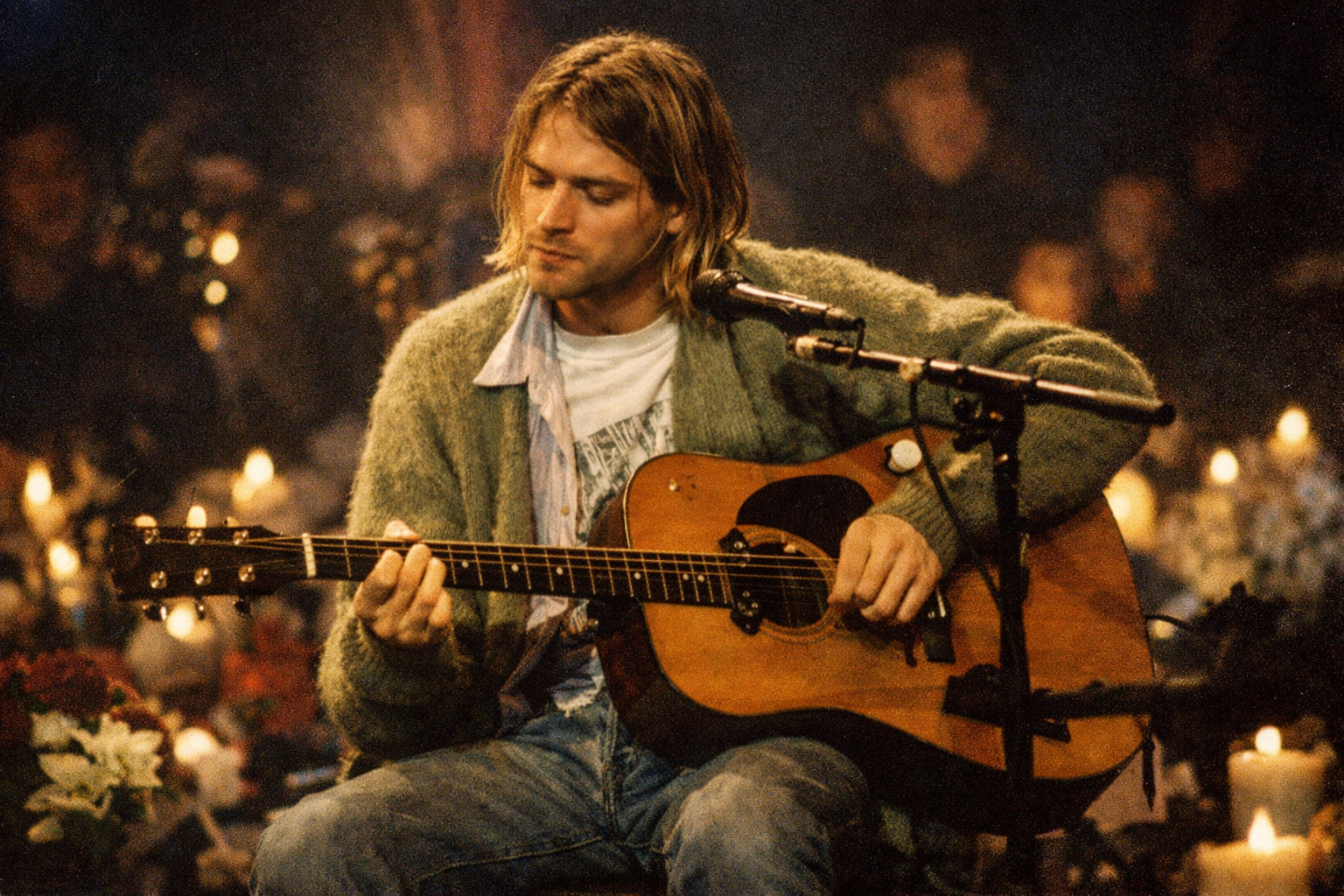
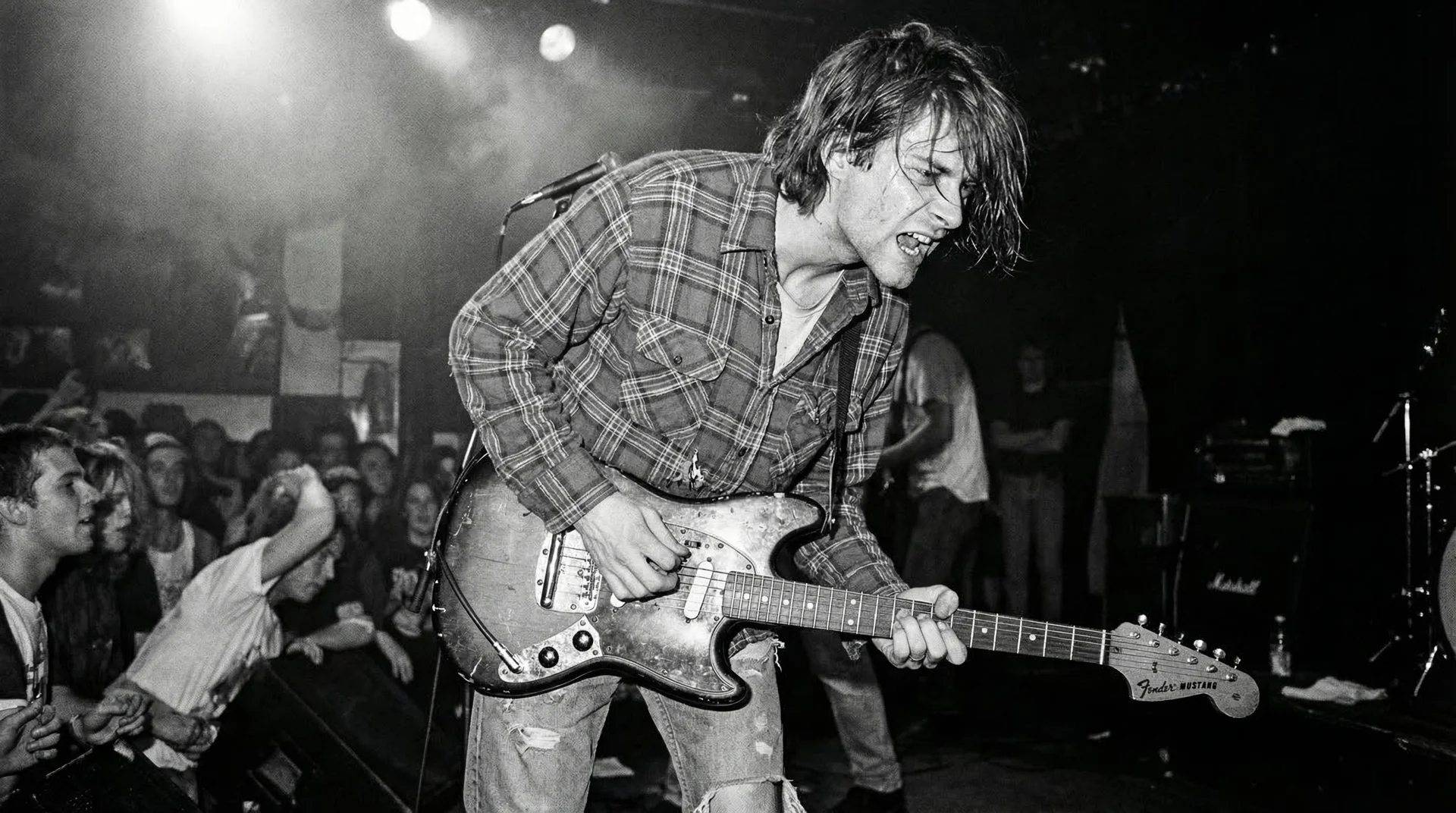
Grunge didn't just kill hair metal. It murdered fashion as we knew it.
For the first time in rock history, a movement's uniform came from the rejection pile. While Sunset Strip bands squeezed into leather pants and Def Leppard posed in coordinated outfits, Seattle kids grabbed whatever was hanging in thrift stores. The flannel shirt — previously the domain of lumberjacks and weekend dads — became rock's most powerful statement piece.
The Anti-Fashion Revolution
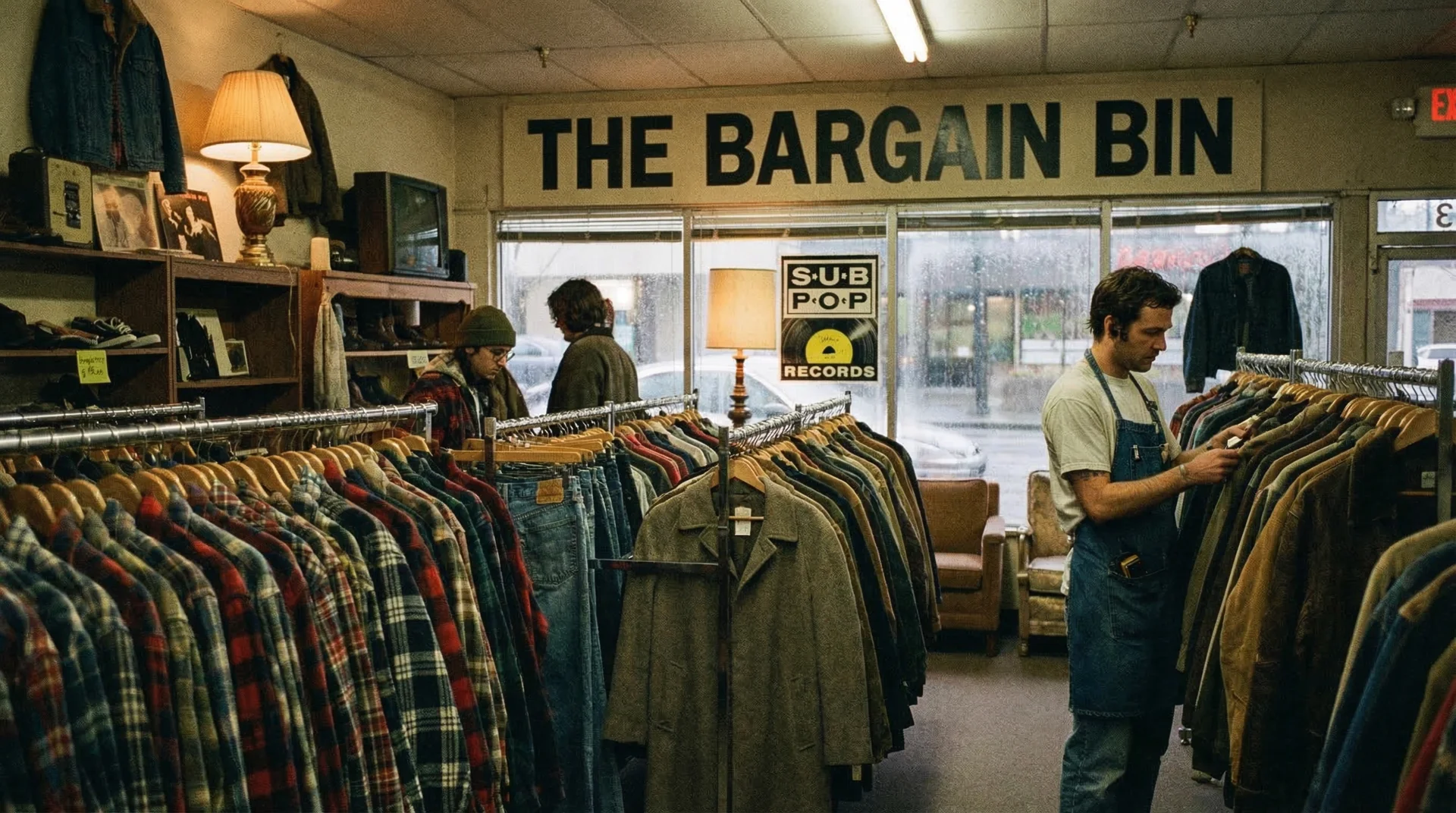
This wasn't calculated rebellion. Kurt Cobain didn't wake up planning to turn Goodwill into a fashion empire. The flannel happened because these guys were broke, living in the Pacific Northwest where practicality trumped posturing, and genuinely didn't give a damn about looking like rock stars.
That's what made it so dangerous to the fashion industry. Grunge proved you could sell millions of records while looking like you just rolled out of bed in clothes your dad wore to work in 1978. The flannel shirt became the great equalizer — rich kid or working class, everyone looked the same in a $3 thrift store find.
Eddie Vedder climbing radio towers in worn flannel. Layne Staley shambling across stages in layers of mismatched patterns. These weren't costumes. This was what they wore to the grocery store, to band practice, to change the world.
Why It Can't Be Replicated
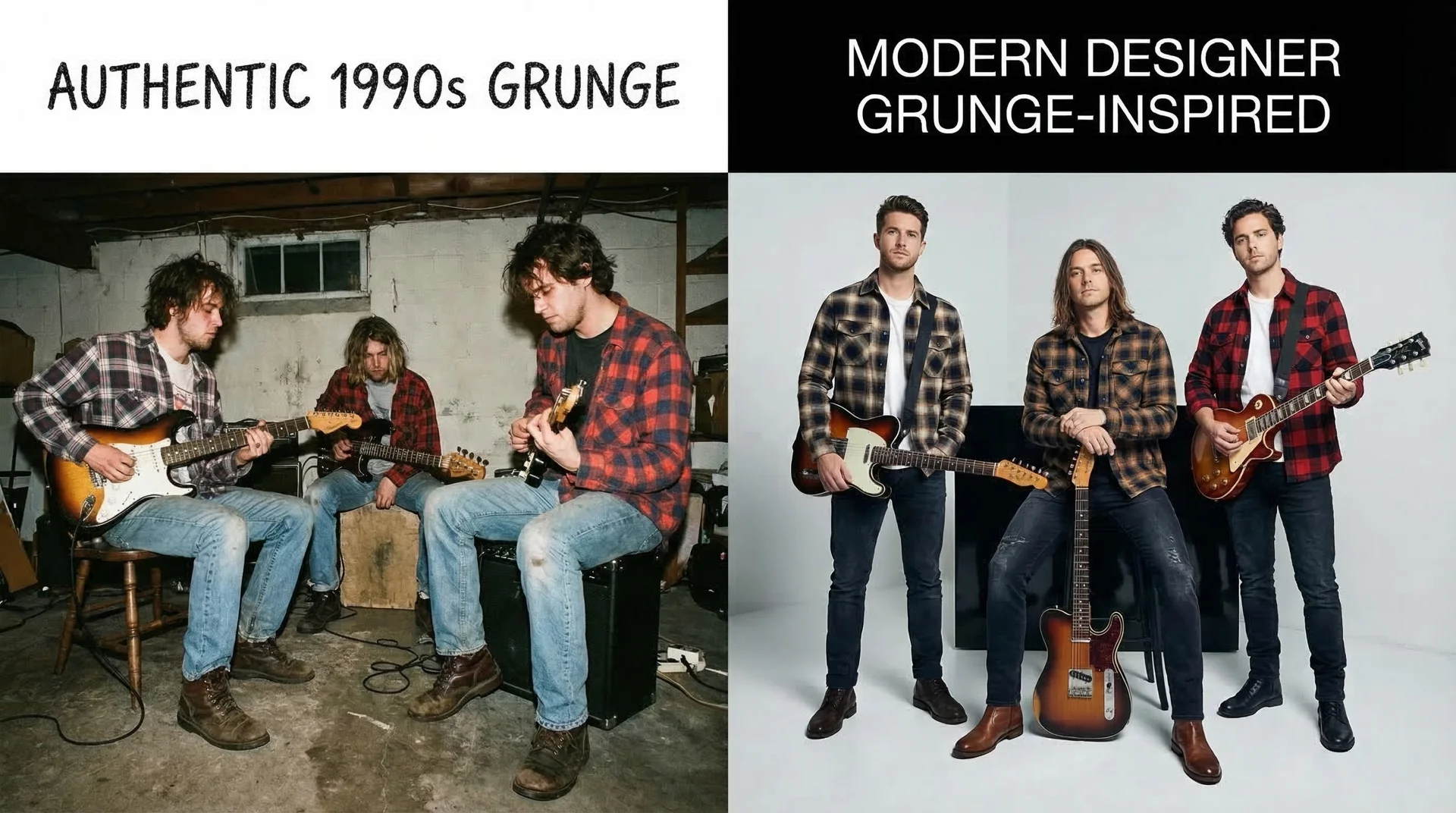
Every attempt to recreate grunge fashion fails because it misses the fundamental point: it wasn't fashion at all. It was anti-fashion. The moment you try to manufacture that look, you've already lost.
Marc Jacobs tried it in 1992 with his infamous grunge collection for Perry Ellis. Models walked runways in $1,000 flannel shirts and designer combat boots. The fashion press crucified him. Grunge kids laughed. You can't package authenticity and sell it for premium prices — that's the exact mentality grunge existed to destroy.
Today's "grunge revival" pieces miss the soul of the movement. A $100 distressed flannel from Urban Outfitters isn't grunge — it's consumerism wearing grunge's corpse as a mask. Real grunge flannel came pre-distressed by actual use, by real people living real lives.
The Uniform of Non-Conformity
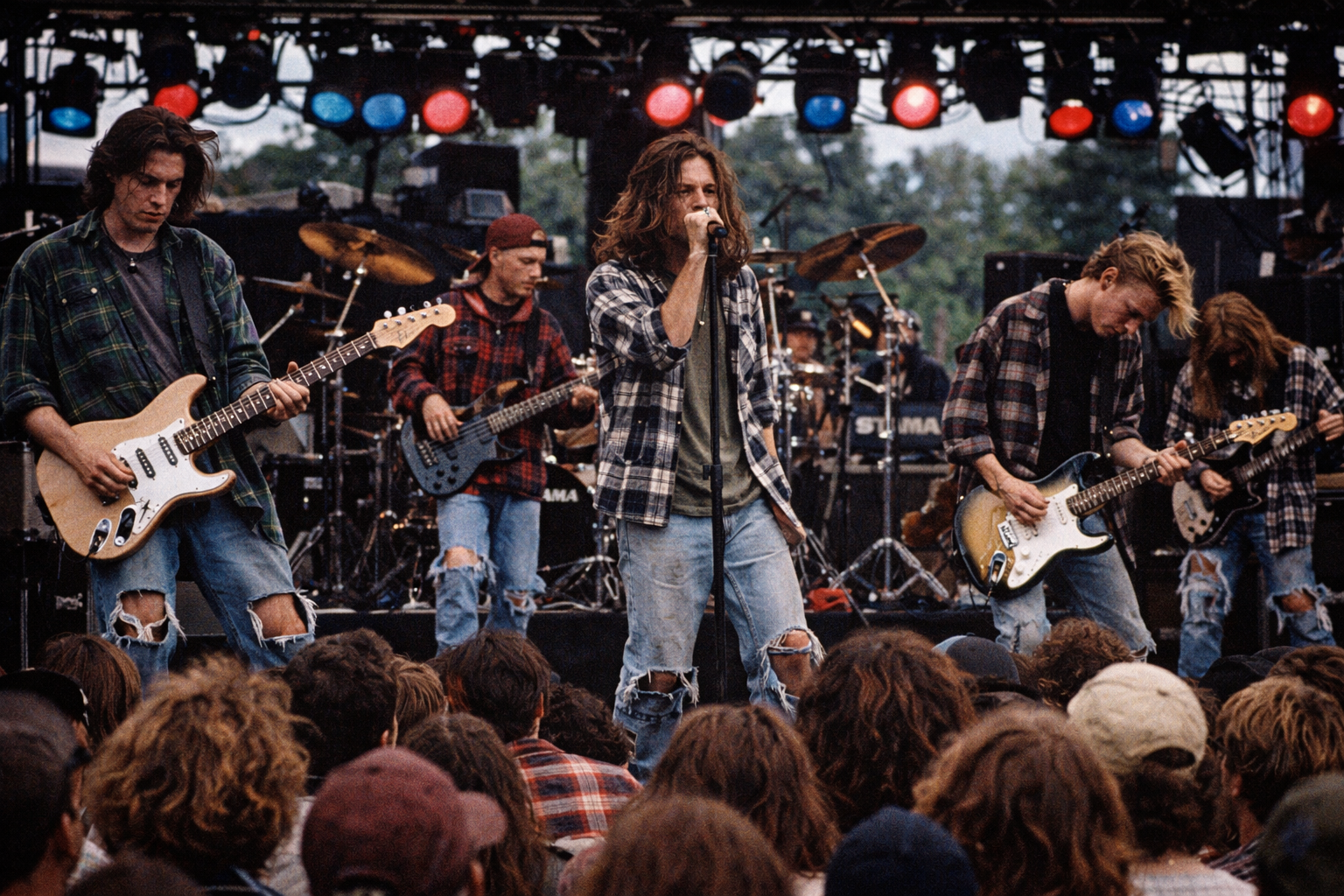
The beautiful contradiction of grunge fashion was how it created uniformity through rejection of uniformity. Everyone dressed the same by refusing to dress up. The flannel became a signal — you weren't trying to impress anyone, you weren't playing the game, you just wanted to be left alone to make music.
This drove the music industry insane. How do you market a movement that explicitly rejects marketing? How do you sell rebellion to people who won't buy anything? MTV tried to package it, fashion magazines attempted to decode it, but grunge's power came from its complete indifference to outside validation.
The flannel shirt represented something that can't exist in today's social media-driven culture: genuine not caring how you look. Not performing not caring — actually not caring. That kind of authentic disregard for image is extinct in an Instagram world.
When Comfort Was Rebellion
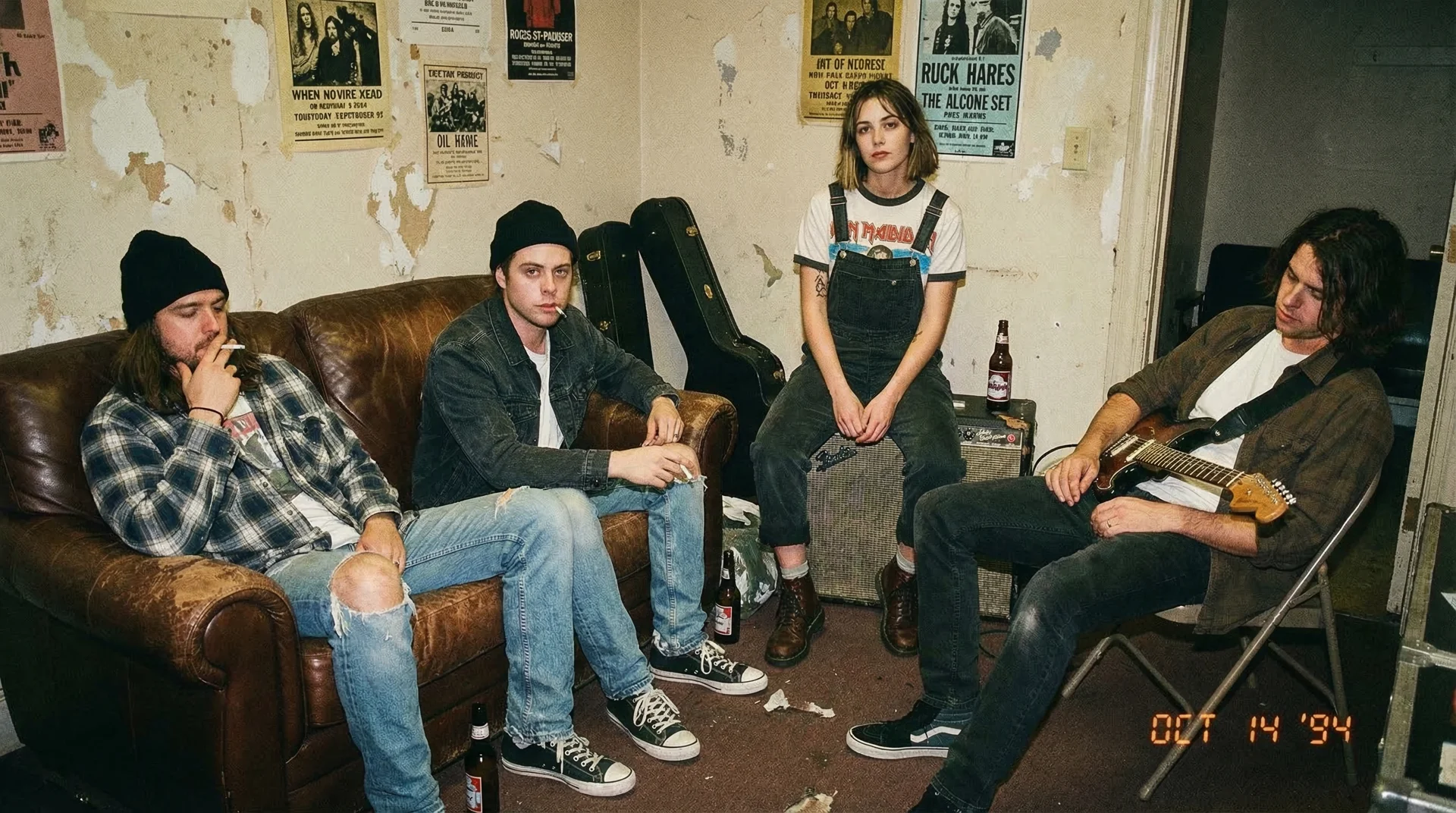
Grunge fashion worked because it prioritized comfort over appearance, function over form. These weren't costumes designed to project an image — they were clothes designed to survive Seattle's climate, long van rides, and sleeping on floors.
The layers made sense in the Pacific Northwest's unpredictable weather. The loose fit allowed for the kind of physical performance that grunge demanded. The durability meant your clothes could handle whatever life threw at them. Fashion followed function, not the other way around.
That's why modern attempts at grunge fashion feel hollow. They focus on the aesthetic without understanding the practical reality that created it. You can't manufacture the lived-in authenticity that comes from actually living in your clothes.
Grunge's fashion legacy isn't the flannel shirt itself — it's the idea that your clothes should serve you, not the other way around. In a world where image is everything, that remains the most radical statement of all. Some of us still carry that philosophy forward, whether we're wearing a hoodie that's built to last or just refusing to dress up for a world that's forgotten what authenticity looks like.