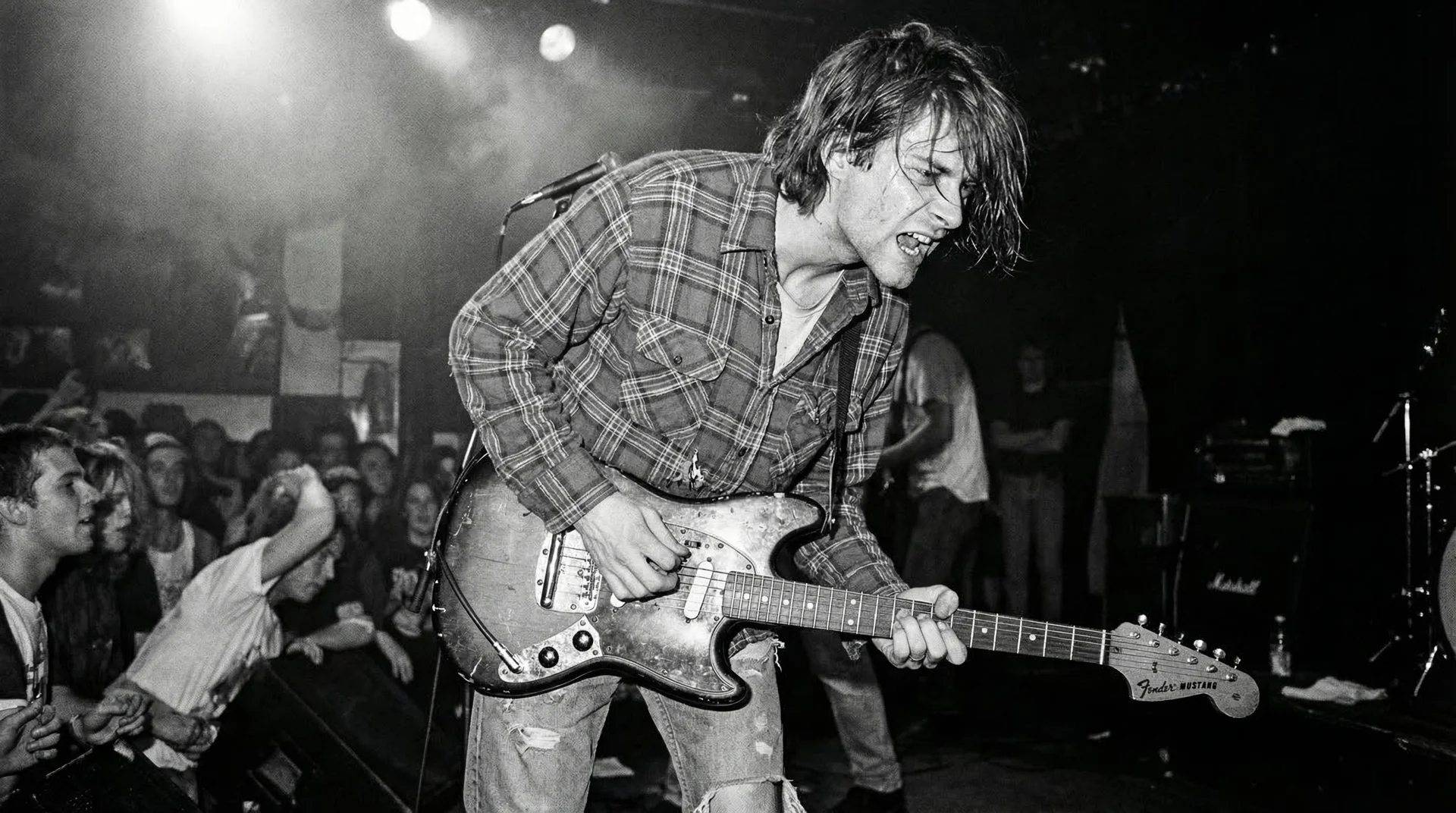
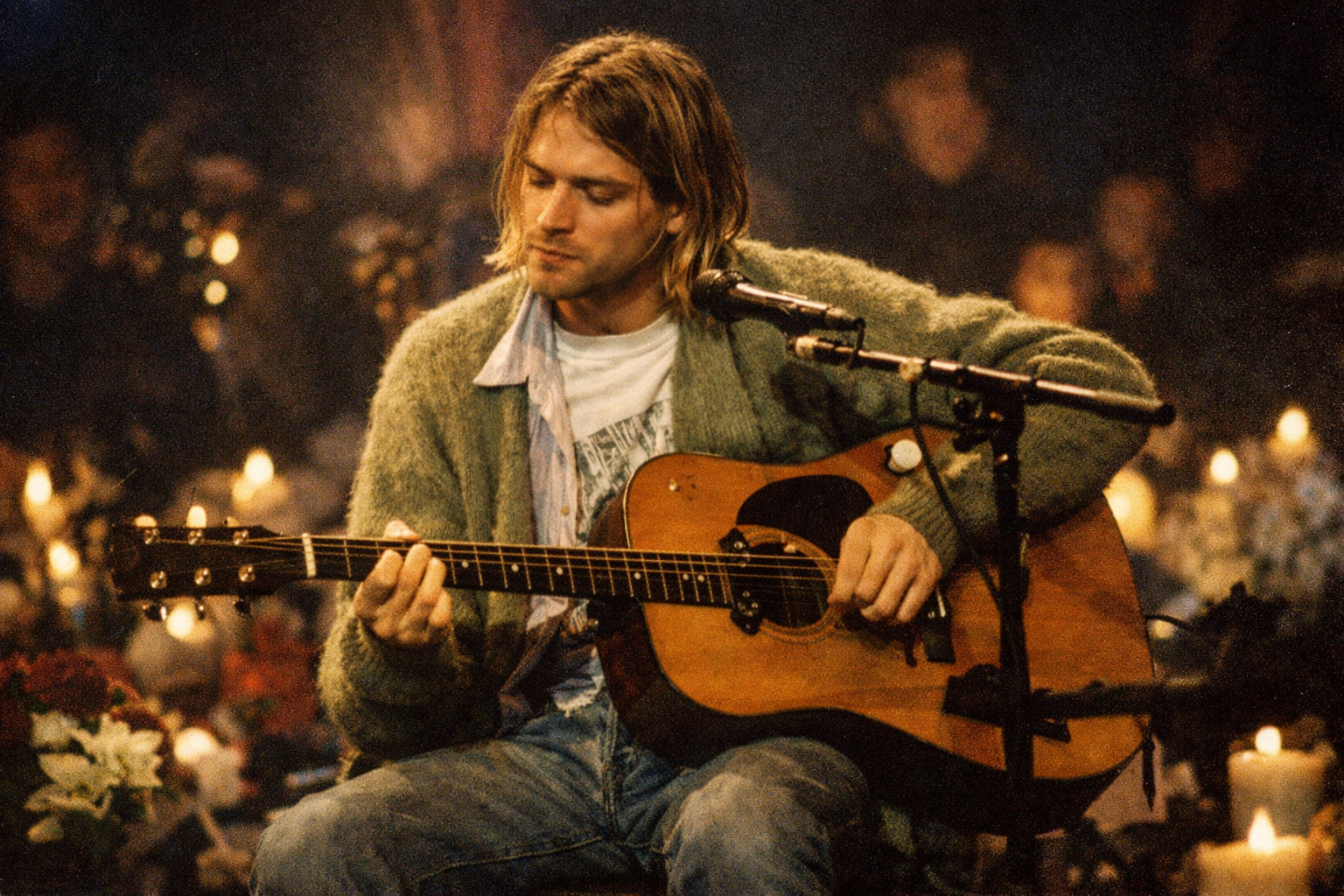
Kurt Cobain didn't want to do it. He fought against the whole concept — acoustic sets felt too soft, too exposed, too much like surrender. But on November 18, 1993, he walked onto a candlelit stage at Sony Music Studios in New York and delivered the most important rock performance ever captured on television. He just didn't know it was a goodbye.
The Last Pure Moment
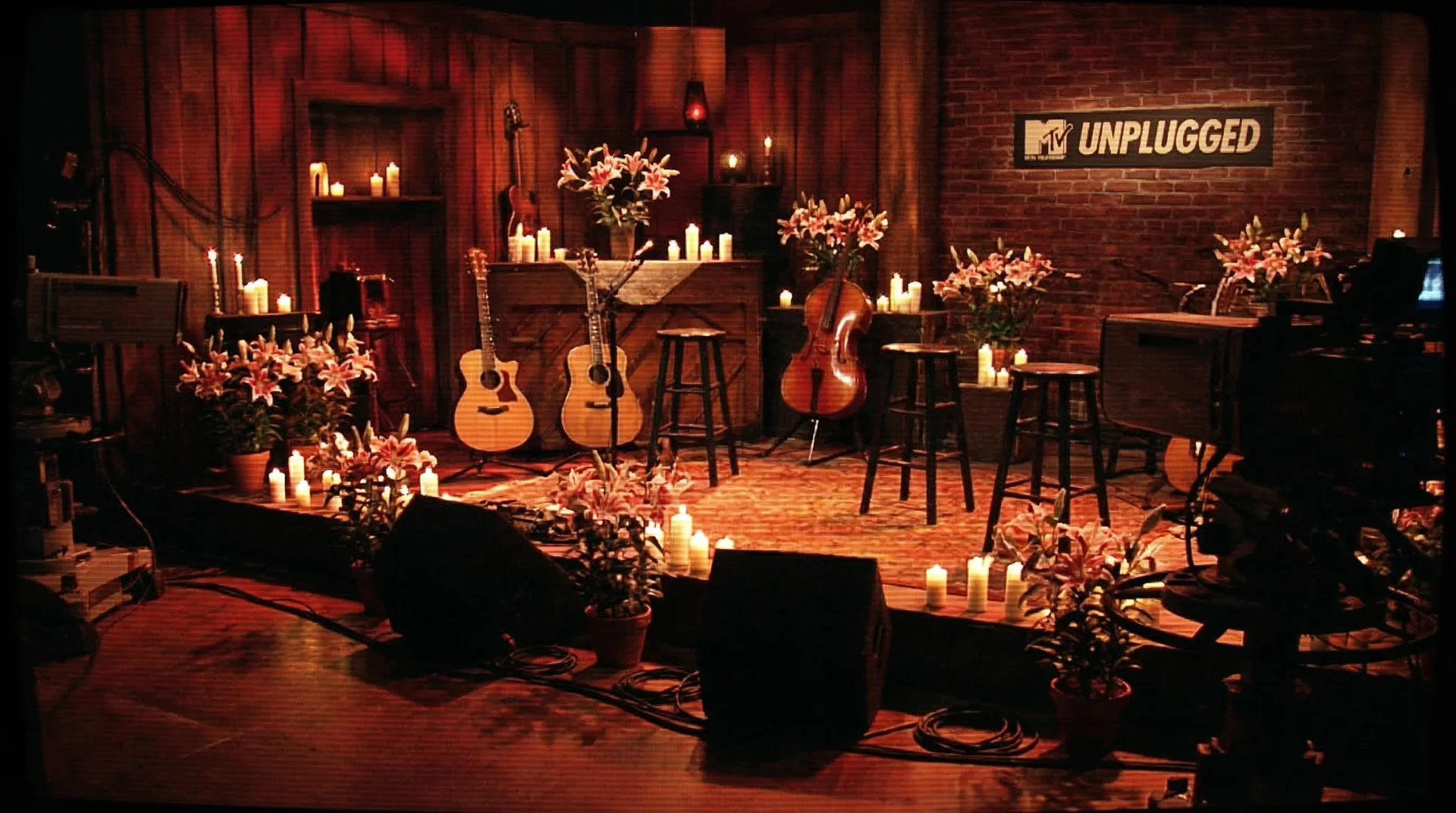
November 18, 1993. Sony Music Studios. Kurt Cobain walked onto a candlelit stage wearing a mint green cardigan and delivered rock music's swan song. MTV Unplugged in New York wasn't just another acoustic set — it was the final transmission from rock's last authentic voice before the machine swallowed everything whole.
Five months later, Cobain was dead. The album became his eulogy. But more than that, it became the tombstone for an entire era when music could still be dangerous, when a three-chord progression could topple empires, when authenticity wasn't a marketing term.
Why This Performance Changed Everything
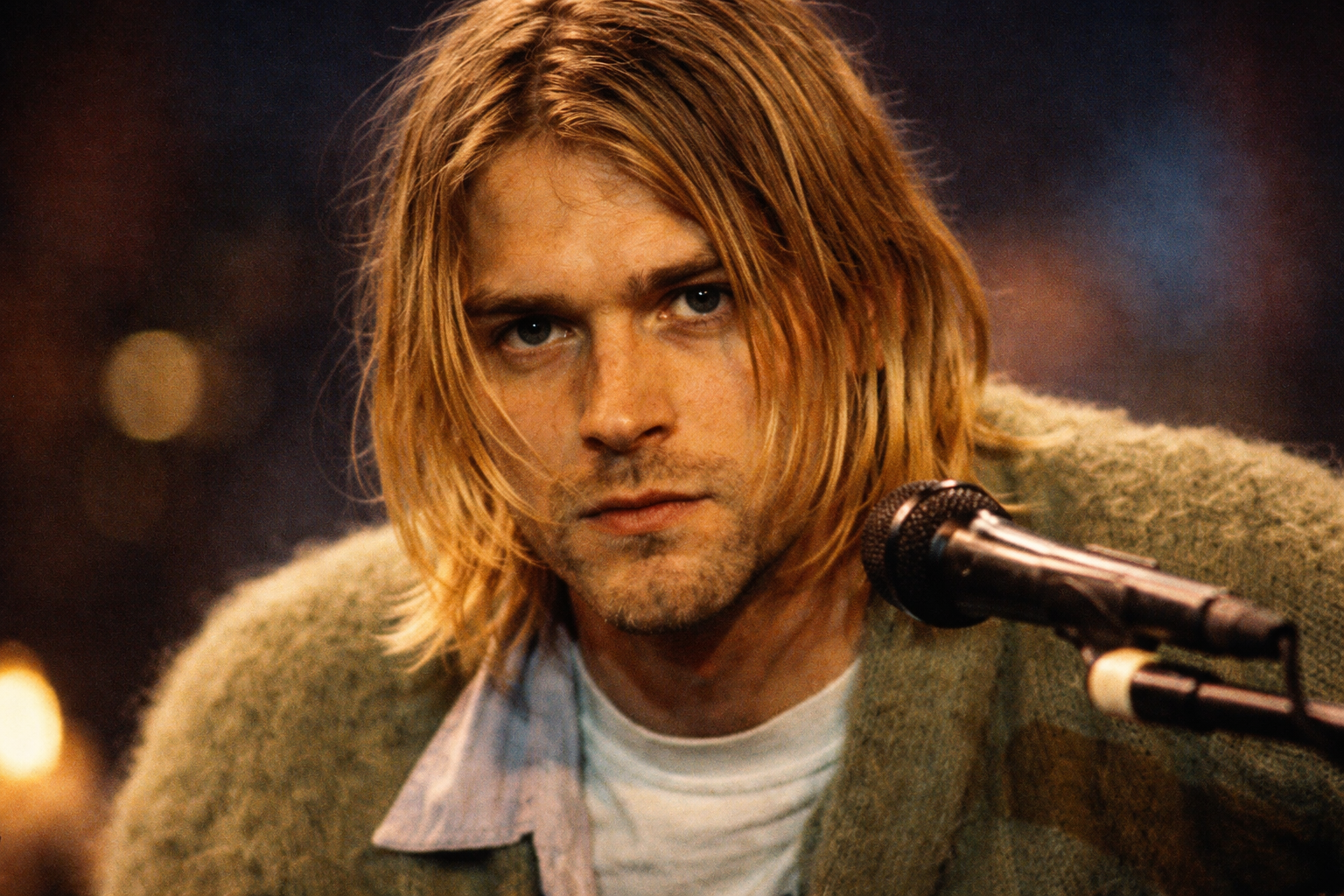
Cobain stripped away the distortion and left only truth. "About a Girl" became a confessional. "Come As You Are" turned into a prayer. The Meat Puppets covers weren't tributes — they were Cobain showing us his influences, his DNA, the lineage he came from.
But the real gut punch was "Where Did You Sleep Last Night." Watch that performance. Watch Cobain's face at the end. That's not acting. That's a man staring into his own abyss, channeling Lead Belly's ghost through a voice that was already breaking. It's the most honest moment ever captured on television.
This wasn't unplugged — this was unfiltered. Raw nerve endings exposed. The kind of vulnerability that built rock music from the ground up, back when musicians were prophets instead of products.
The Machine Wins
Within five years, everything changed. The internet arrived. File sharing killed the album as art form. American Idol turned music into karaoke. Suddenly, anyone with Auto-Tune could be a "rock star."
But the real death blow was cultural. Rock music was built on rebellion, on saying no to authority, on meaning something. By the 2000s, rebellion became a costume you could buy at Hot Topic. Authenticity became a brand strategy. The machine didn't destroy rock music — it absorbed it, processed it, and sold it back to us as nostalgia.
Compare MTV Unplugged to any acoustic performance today. Everything feels calculated, focus-grouped, optimized for streaming. Where's the danger? Where's the risk of complete failure that made those 90s performances electric?
What We Lost
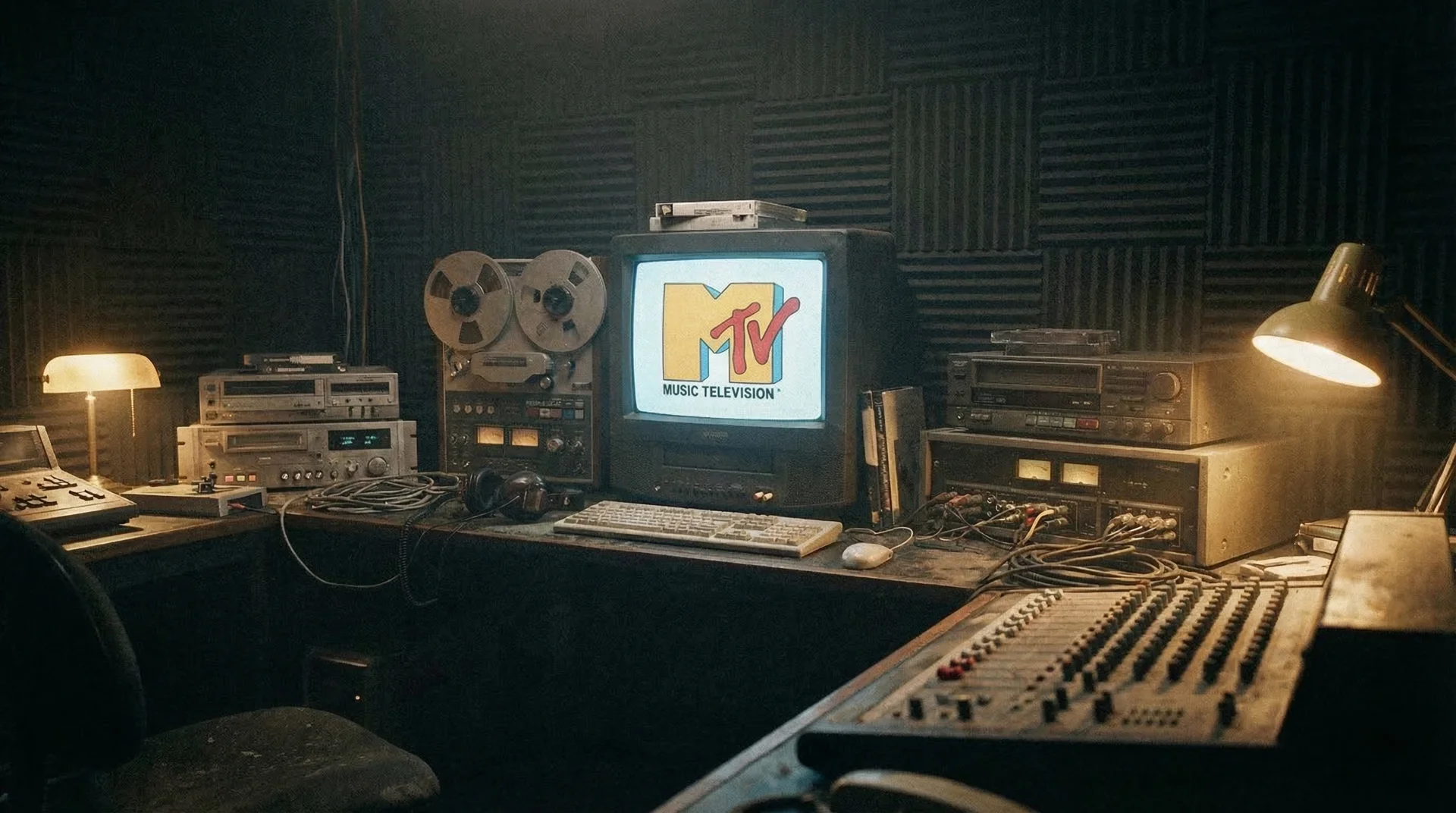
MTV Unplugged in New York captured the last moment when rock music held real cultural power. When a song could still change someone's life completely. When musicians were expected to have something to say beyond "follow your dreams."
Cobain didn't just perform songs that night — he performed the entire ethos of rock music. The idea that music should come from pain, from truth, from somewhere deeper than market research. That it should cost the artist something real to make it.
Every streaming algorithm, every TikTok snippet, every manufactured viral moment moves us further from that truth. We've traded lightning in a bottle for content optimization. We've traded prophets for influencers.
The Last Stand
Twenty-five minutes of acoustic music became the final statement of rock's golden age. Not because it was perfect — because it was perfectly imperfect. Because it came from a real place, carried real weight, demanded something from both the artist and the audience.
Nothing since has come close because nothing since has been allowed to matter that much. The machine learned its lesson. It won't let another Cobain slip through again. Too risky. Too real. Too uncontrollable.
But for those who remember, who understand what we lost, MTV Unplugged in New York remains proof that rock music once meant everything. It was culture-shaping, life-changing, world-burning important. And for 73 minutes in November 1993, it burned brightest just before the flame went out.
That's the standard. That's what real rock music looks like. Everything else is just noise wearing a vintage t-shirt. Speaking of which — sometimes wearing the uniform helps remember what we're fighting to preserve. Some of us still believe decibels speak louder than words.